Tile flooring is popular for residential and commercial designs due to their durability, easy maintenance, and aesthetic appeal. Whether in a boardroom, kitchen, bathroom, living room, or patio, tile floors stand up to heavy foot traffic and everyday wear and tear. But even tile floors can sometimes crack.
Cracked tiles are more than just an eyesore—they can lead to costly repairs if ignored. Understanding the common causes of tile cracking and learning how to prevent it can save you time, money, and frustration. In this guide, we’ll explore why tiles crack, both indoors and outdoors, and share practical tips to keep your surfaces durable, intact, and looking their best for years to come.
Causes of Cracked Indoor Tile Floors
Indoor tile floors are exposed to several factors that can lead to cracking. Whether it’s the weight of heavy furniture or the movement of the house’s foundation, there are several potential causes of cracked tiles in indoor settings.
Improper Installation
One of the most common causes of cracked indoor tiles is improper installation. If tiles are not laid correctly, they may shift, buckle, or split over time. Poor installation can happen when the subfloor is not properly prepared, leading to uneven surfaces.
If the subfloor is not level, tiles will experience uneven pressure when bearing weight, resulting in cracks. Inadequate adhesives or grout, or failing to leave enough expansion space between tiles, can lead to cracks as the flooring expands and contracts with temperature changes.
Subfloor Movement
Subfloor movement is another factor in cracked tiles. A subfloor that shifts, settles, or deflects under pressure can stress the tiles above it. Over time, this shifting can cause tiles to crack.
Common reasons for subfloor movement include settling foundations, water damage, and inadequate structural support. For example, a foundation that shifts or sinks could lead to uneven pressure on the floor, causing tiles to crack.
Excessive Weight or Pressure
Heavy furniture or appliances placed on tile floors can sometimes cause cracking if the tiles are not strong enough to handle the weight. If a heavy object, like a refrigerator or a large entertainment center, is dropped onto the floor or is moved roughly, the force can create cracks in the tile. Similarly, walking on the floor with stiletto heels or using heavy equipment in areas like kitchens or hallways can sometimes cause pressure points that lead to tile cracks.
Temperature Changes
Tiles are susceptible to expansion and contraction due to temperature changes. Tiles may expand or contract slightly when exposed to extreme heat or cold. This natural process can cause tiles to crack if there is not enough space left between them to accommodate these changes. Rapid temperature changes can also stress the adhesive and grout, leading to tile movement and eventual cracking.
Moisture Damage
Excess moisture in the subfloor or the tiles themselves can lead to cracking over time. Moisture can cause the tiles to expand, putting pressure on the grout lines and causing cracks to form. Tile floors are especially vulnerable in bathrooms or basements where humidity levels are high. Similarly, improper sealing of the grout or tiles can cause moisture seepage, further contributing to cracks.
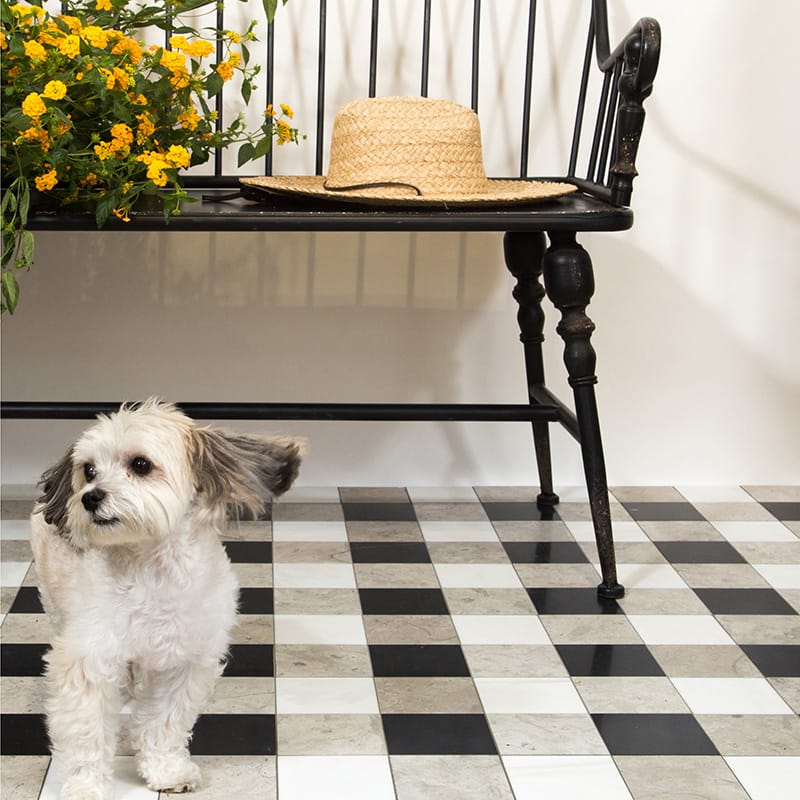
Featured Indoor Tile: Grande Chester Britannia Light 4×4 Marble Mosaic
Causes of Cracked Outdoor Tile Floors
Outdoor tile floors face unique challenges. From extreme weather conditions to natural wear and tear, outdoor tile floors are often more susceptible to cracking than indoor floors. Here are some of the leading causes of cracked outdoor tile floors:
Freeze and Thaw Cycles
One of the most significant threats to outdoor tile floors is the freeze-thaw cycle. When temperatures fluctuate between freezing and thawing, moisture trapped in the tiles or grout expands and contracts. This repeated movement can cause the tiles to crack over time. In regions with harsh winters, freeze-thaw cycles can damage outdoor tile floors.
Improper Installation or Grouting
Just like in indoor settings, improper installation or grouting is a leading cause of cracked outdoor tiles. When outdoor tiles are not installed with the proper materials or technique, they may not be able to withstand the stresses placed on them. Grout that is too rigid or applied incorrectly can create pressure points that lead to cracking. Failure to leave sufficient gaps between tiles can also lead to cracking as tiles expand and contract in response to environmental changes.
Tree Roots and Ground Movement
Tree roots and shifting ground are common causes of cracked tile floors. Tree roots can exert pressure on the ground beneath the tile floor as they grow. Over time, this pressure can cause tiles to shift, crack, or break. Ground movement due to soil erosion, settling, or expansion can affect the stability of the tiles, leading to cracks.
Heavy Foot Traffic or Impact
Outdoor tiles, especially patios, pool decks, and walkways, experience greater foot traffic than their indoor counterparts. As a result, the constant pressure of walking or running on the tiles can lead to cracks, particularly if the tiles are not reinforced properly. Outdoor tiles are often subjected to heavier impacts, such as dropping objects, furniture, or sporting equipment. These sudden forces can easily crack tiles, especially if they are made of more fragile materials like ceramic or porcelain.
Excessive Heat or Sun Exposure
Tiles installed in outdoor areas are more likely to be exposed to direct sunlight for long periods. Excessive heat from the sun can cause tiles to expand and contract, which can lead to cracking. Prolonged exposure to intense sunlight may also weaken the adhesive, making the tiles more vulnerable to cracking under pressure.
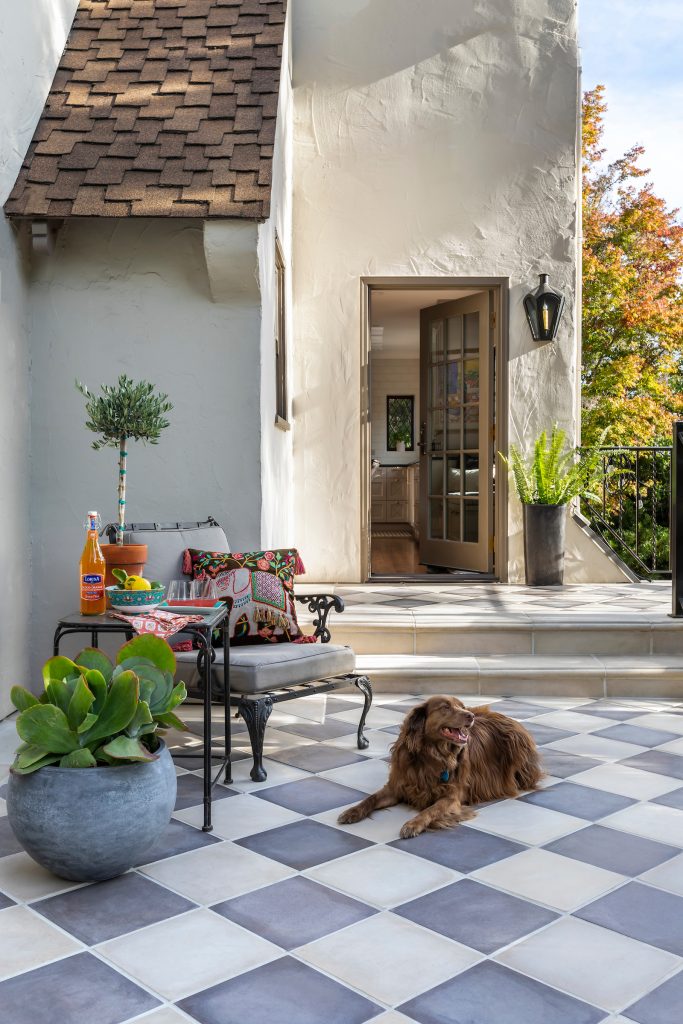
Featured Outdoor Tile: Arto Artillo 12×12 Concrete Tile
How to Prevent Tile Floor Cracking
Preventing tile cracks is key to ensuring the longevity and beauty of your floors. While some factors, such as environmental conditions, may be outside your control, there are ways to minimize the risk of cracked tiles.
Proper Installation
Ensuring they are installed correctly is the most effective way to prevent cracked tiles. Before installing the tiles, make sure the subfloor is properly prepared, level, and clean. Use high-quality adhesives and grout designed for your specific tile type and leave enough expansion gaps between tiles to allow for natural expansion and contraction. It’s best to work with a professional installer who understands the nuances of tile installation and can avoid common mistakes that lead to cracks.
Regular Maintenance and Inspection
Regularly inspecting your tiles for early signs of damage can help you address issues before they become serious. Check for loose tiles, visible cracks, or grout deterioration. If you notice any problems, fix them immediately to avoid further damage. Also, consider sealing your grout and tiles to protect them from moisture damage, which can cause cracks.
Use Floor Pads and Rugs
For indoor tiles, use floor pads under heavy furniture and place rugs in high-traffic areas to reduce the pressure placed on tiles. This simple step can protect them from being scratched, chipped, or cracked due to heavy weight or impact.
Choose the Right Type of Tile
When selecting tiles, make sure you choose appropriate ones for the environment. For outdoor tiles, select materials specifically designed to withstand outdoor conditions, including extreme temperatures, moisture, and heavy foot traffic. Choose high-quality, durable porcelain or ceramic tiles for indoor tiles that withstand everyday wear and tear.
Control Humidity and Temperature
Controlling humidity levels is essential in areas where moisture is a concern, like bathrooms and kitchens. Use dehumidifiers or exhaust fans to dry the air, preventing moisture buildup beneath your tiles. Additionally, ensure your home or business stays within a stable temperature range to reduce the stress on your tiles.
The Value of Quality Tile Flooring
Investing in high-quality tile is about more than aesthetics—it’s about ensuring lasting durability. Premium tiles are made with superior materials and precise manufacturing, making them more resistant to wear, impact, and environmental challenges like temperature fluctuations. While cheaper alternatives may seem appealing initially, they are often prone to chipping or cracking, leading to costly repairs or replacements.
Choosing durable, high-quality tiles enhances the beauty of your space and saves money and frustration in the long run.
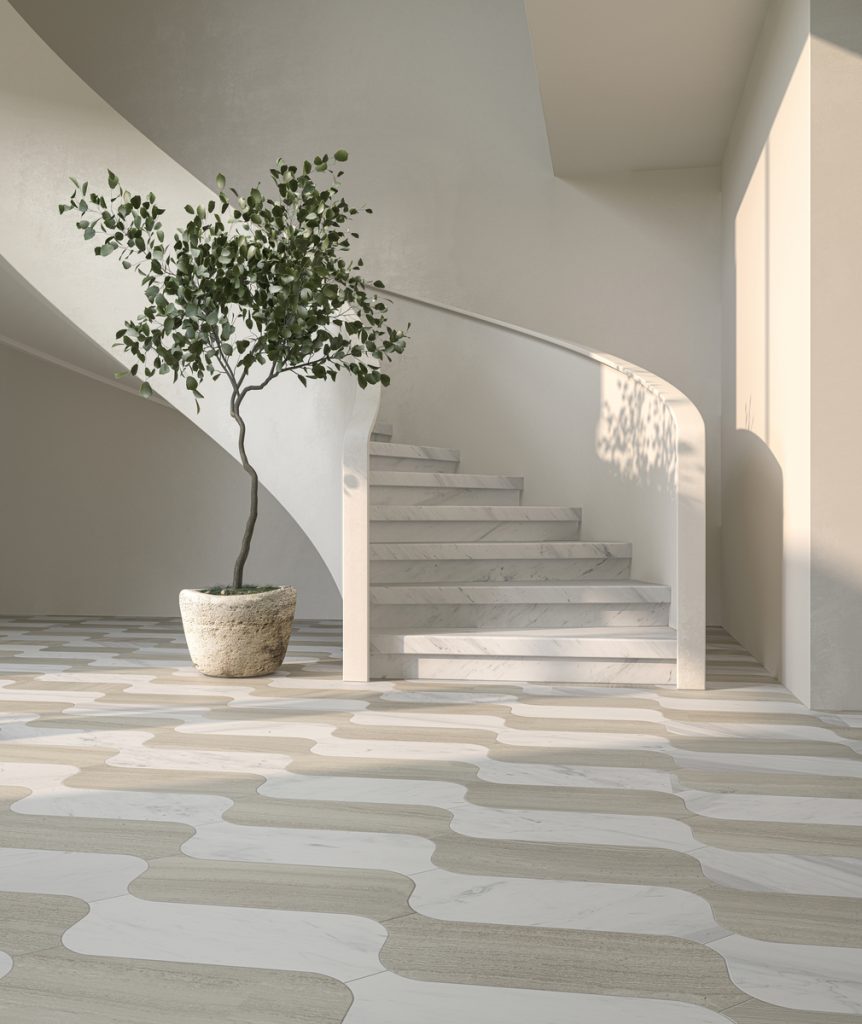
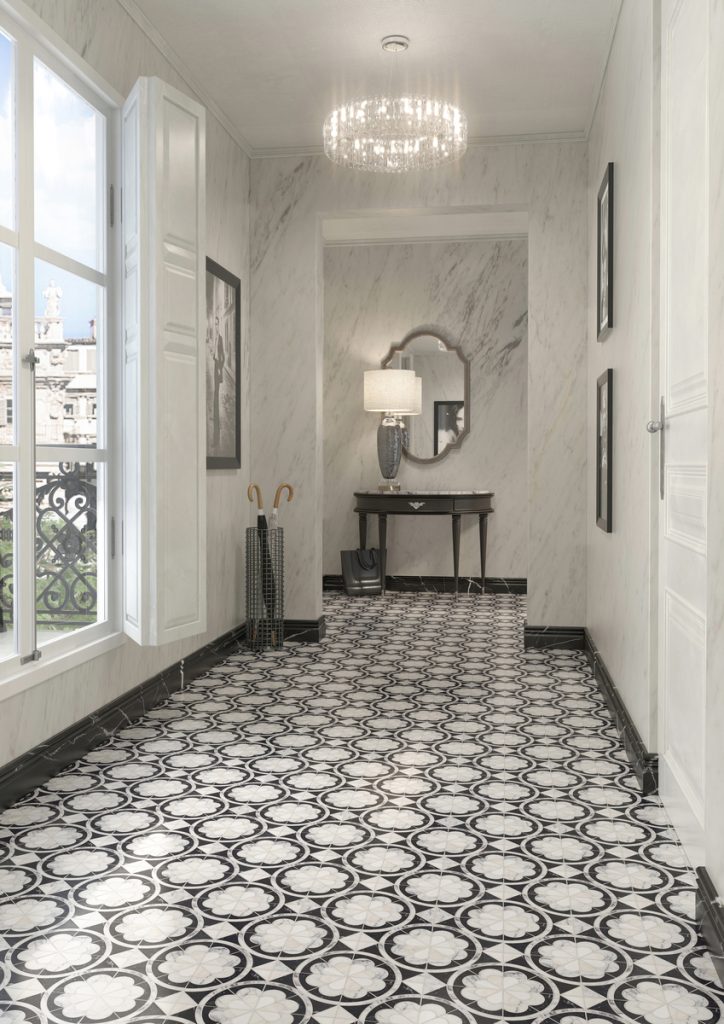
Trust Designer Floors of Houston for Quality Tile Flooring
At Designer Floors of Houston, we specialize in offering premium tile flooring to suit any space. Whether you’re upgrading your kitchen, bathroom, or outdoor areas, our extensive selection includes options designed for both style and resilience.
Understanding the causes of tile cracking and selecting the right materials can help protect your floors and keep them looking their best for years to come. Visit our showroom or browse our online catalog to explore our wide range of tiles. For more flooring tips and inspiration, check out our blog for helpful advice and ideas.